Transformer Painting: Complete Guide to Surface Protection, Longevity, and Performance
Work of Transformer painting with degreasing and de-rusting of all the external surface of transformers i.e Main tank + Radiators + Conservators + Accessories + Fittings of various voltage class and capacity.
Satish Patel
5/8/20243 min read
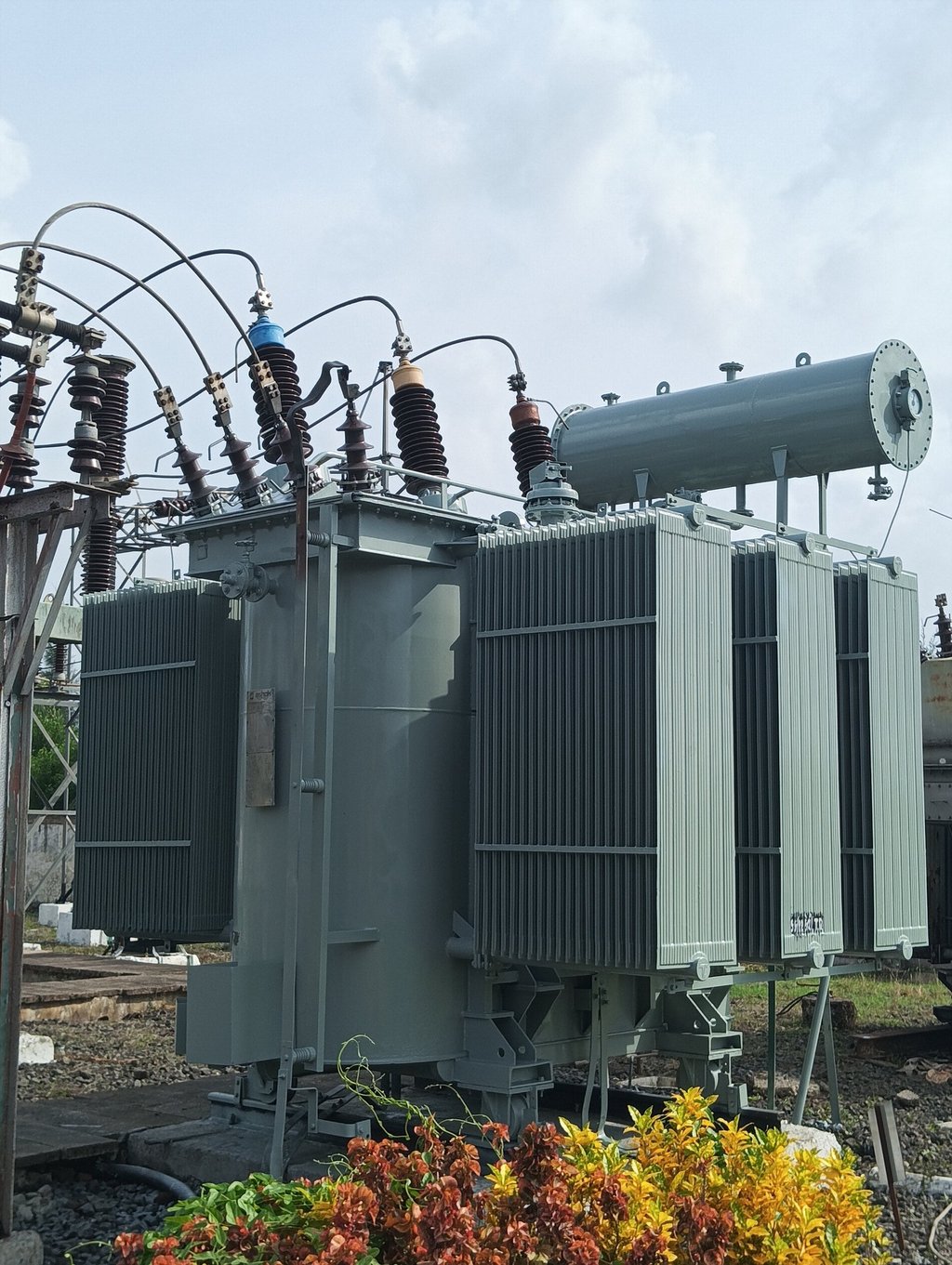

Transformer painting is a critical maintenance activity that ensures the longevity, safety, and performance of power infrastructure. Transformers operate continuously under harsh environmental conditions, where exposure to moisture, dust, industrial pollutants, and temperature fluctuations gradually leads to corrosion and surface degradation. Without proper protection, this deterioration can compromise structural integrity and operational efficiency. A well-executed painting process is therefore not merely aesthetic but a necessary technical intervention to preserve the asset over time.
Our company recently secured and successfully executed three major transformer painting tenders involving comprehensive treatment of external surfaces across various voltage classes and capacities. The scope of work included the main tank, radiators, conservators, accessories, fittings, and associated structural components. Each transformer required a tailored approach depending on its condition, operating environment, and configuration, ensuring that the coating system delivered both protection and durability.
The process begins with a detailed surface inspection to assess the extent of corrosion, presence of oil contamination, and any surface irregularities. This is followed by degreasing, where industrial-grade chemicals are used to remove oil, grease, and other contaminants that could affect paint adhesion. De-rusting is then carried out using mechanical methods such as wire brushing and abrasive cleaning, or chemical treatments where required, to eliminate all traces of rust and prepare the surface for coating.
Surface preparation plays a crucial role in the success of the painting system, as it determines how effectively the coating bonds to the metal. Once the required surface profile is achieved, an anti-corrosive primer is applied to provide the first layer of protection and ensure strong adhesion. Depending on the specification, intermediate coatings may be applied to enhance thickness and durability. Finally, a high-performance top coat is applied, designed to withstand environmental exposure, resist UV radiation, and maintain long-term surface integrity.
Technical precision is essential throughout the process, particularly in controlling the dry film thickness to ensure durability without affecting heat dissipation, especially on radiators. Environmental factors such as humidity and temperature are carefully monitored during application to achieve optimal curing and performance. Material selection is also critical, as coatings must be compatible with oil-filled equipment and capable of withstanding operational stresses over extended periods.
Executing transformer painting projects at scale presents several challenges, including working around sensitive or energized equipment, handling complex geometries, and ensuring uniform coating across all components. Maintaining safety standards while adhering to project timelines requires a disciplined approach, skilled manpower, and strict quality control measures. Our execution strategy focused on minimizing disruption while delivering consistent and reliable results across all assigned transformers.
Through the successful completion of these tenders, our company has demonstrated its capability to manage diverse transformer types and capacities while maintaining high standards of workmanship. The structured approach to degreasing, de-rusting, and coating application ensured uniform quality and long-term protection across all assets. This experience reinforces our ability to deliver technically sound and efficient solutions in transformer maintenance projects.
Professional transformer painting offers significant benefits, including extended equipment life, reduced maintenance costs, improved reliability, and enhanced resistance to environmental damage. It also contributes to better overall condition monitoring and operational safety. When executed correctly, it becomes a long-term investment in asset performance rather than a routine maintenance task.
In conclusion, transformer painting is an essential component of preventive maintenance in power systems. A systematic approach combining proper surface preparation, high-quality materials, and technical expertise ensures that transformers remain protected against corrosion and environmental stress. With proven experience in executing multiple transformer painting projects, our company is well-positioned to deliver durable and high-performance coating solutions for critical electrical infrastructure.
Vijay Electric Company
Introduction
Transformers are critical assets in power infrastructure, operating continuously under demanding environmental conditions. Over time, exposure to moisture, dust, industrial pollutants, and temperature variations leads to corrosion and degradation of external surfaces.
Professional transformer painting is not just about aesthetics—it is a structured process that ensures asset protection, operational reliability, and extended service life.
Our company recently secured and executed three major transformer painting tenders, covering comprehensive surface treatment and coating across multiple voltage classes and capacities. This blog outlines the process, importance, and technical approach involved.
Expertise
Leading solutions in transmission and solar projects.
CONTACT
ADDRESS
satishpatel@vijayelectricco.in
+91 8200337720
© 2025–2035 Vijay Electric Company. All rights reserved.